
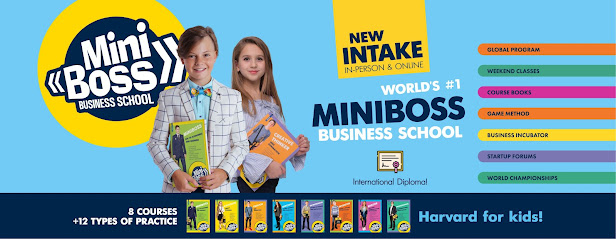
 Helping a child create their first business plan is a chance to teach responsibility, creativity and practical skills. The goal is not to write the plan for them, but to guide them through the process so they learn how to think, structure and test ideas. A supportive parent acts as a coach: asking questions, offering templates, and encouraging safe experiments.
🏡 Create a safe starting point
Children need to feel that mistakes are part of learning. Begin by making the home a safe rehearsal space where ideas can be explored without fear of failure.
💡Example: A parent encouraged their son to sketch three different product ideas on paper, celebrating the creativity before choosing one to develop.
🎯Start with questions, not answers
🎯Tip: Use “what” and “how” questions to guide thinking, not “should” or “must”.
📚Offer a simple template and step back
🎯Tip: Ask your child to read the plan aloud — gaps or unclear points become obvious.
🧮 Support basic finance
Teach simple cost‑price thinking: how much it costs to make one item, how much to sell it for, and how many sales are needed to cover costs. Help with safe payment methods and record‑keeping, but let the child manage sales and feedback.
🎯Tip: Encourage a tiny pilot — 10 items or one event — to learn quickly.
🏁Challenge: Ask your child to calculate how many items they need to sell to earn £10 profit.
🔄 Encourage testing and adaptation
A plan is not fixed. Teach your child to test ideas, collect feedback and update the plan. This builds resilience and flexibility.
💡Example: A girl sold 10 handmade bracelets, asked buyers what colours they preferred, and changed her next batch based on feedback.
🌟 Celebrate learning, not just profit
The first business plan is about skills: planning, communication, maths, empathy. Celebrate effort, creativity and responsibility. Profit is a bonus, but learning is the true success.
🎯Tip: Create a small ritual after each project — a family meal, a walk, or a journal entry — to reflect on what was learned.
Conclusion
Guiding your child through their first business plan means creating a safe space, offering a simple structure, asking guiding questions, supporting basic finance and encouraging adaptation. With your balanced support, children learn that business is not only about money — it is about thinking, responsibility and growth. 🌈👏

